
Advertisement
I've been gardening for over a decade, and I can tell you without hesitation: the key to a beautiful fall garden is planting fall garden flowers that are chosen for the season's unique conditions. You don't have to let your garden fade when summer ends — trust me, with a little planning, you can create a stunning display that lasts well into November. I always start by selecting my foundation plants early, because once August hits, nurseries are already switching over to pumpkins and holiday décor. Your options get pretty limited if you wait until mid-September, so I grab my favorites in late summer and hold them in pots until I'm ready. Here's my honest advice: pick a color palette that excites you — whether it's classic harvest tones or something more modern like deep purple and chartreuse — and then stick with it. You'll be amazed at what a difference that makes.
E.g. :Spinach History: From Persian Greens to Popeye's Legacy
Let me be real with you — I've been gardening for over a decade, and I still get a little thrill when the first cool breeze hits in September. Fall doesn't mean your garden has to go dormant. In fact, that's when the real magic happens. You just need to plan ahead, and I'm going to show you exactly how to do that.
Your foundation plants are the backbone of your fall garden. Think of them as the stage set — they stay put all year and provide structure. If you're starting from scratch, choose shrubs and trees that offer year-round interest, not just a one-season show. I always tell my friends: pick plants that earn their keep.
You want plants with foliage that changes color, or ones that produce interesting seed pods or fruit in the fall. Consider form, height, and texture along with color and interest. For instance, Kousa dogwood blooms in early summer, but by fall it's covered with red, raspberry-like fruit. That's the kind of two-for-one deal you want. Another favorite of mine is the oakleaf hydrangea — its leaves turn a deep burgundy in autumn, and the dried flower heads stay on through winter. Don't sleep on evergreen shrubs either — they give your garden structure when everything else goes bare. I've seen too many gardens that look great in September but are a total mess by November, simply because the foundation plants weren't chosen with care. Take your time here, and you'll thank yourself later.
Some people go with a harvest theme — reds, oranges, and yellows. That's a classic look, and it works. But have you ever thought about mixing things up? I've experimented with a lot of combinations over the years, and here's what I've learned.
Metallic colors like gold, silver, and bronze also make a pretty color palette. Bronze coleus, golden African marigolds, and artemisia 'Silver King' make a lovely trio. Or you might decide to go more with pinks, reds, and purples and incorporate the reddish love-lies-bleeding, purple New England aster, and some pink/purple mums. I personally love a deep purple and chartreuse combo — it feels unexpected and modern. Last year, I planted purple fountain grass next to bright golden marigolds, and the contrast was stunning. Don't be afraid to break the rules. The harvest theme is beautiful, but your garden should reflect your personality. If you love cool tones, go for blues and purples. If you're bold, try hot pinks with orange. The key is to pick a palette and stick with it, so your garden doesn't look like a chaotic mess.
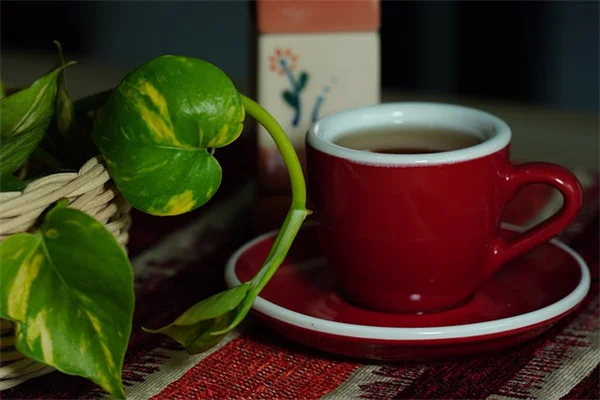 Photos provided by pixabay
I've made almost every mistake in the book, and I'm here to save you from the same headaches. Let me walk you through the biggest blunders I see — and how to avoid them like a pro.
First up: waiting too long to plant. The reason you should start early is because, once fall arrives, most nurseries are getting ready to either close their doors for the season or switch over to holiday items like pumpkins and readying for Christmas tree season. Your options may be limited if you wait too late. I can't tell you how many times I've frantically searched for a specific variety in mid-October only to find empty shelves. Second mistake: not amending your soil. After a long summer of growing, your soil is probably depleted. Add some compost or a slow-release fertilizer before you plant. Third mistake: overwatering. Cooler weather means less evaporation, so check the soil before you water. I've killed more plants with kindness than neglect. Fourth mistake: ignoring sunlight changes. As the sun shifts lower in the sky, shady spots become even shadier. What got full sun in July might be in deep shade by October. Pay attention to where the light actually falls. Fifth mistake: not mulching. A good layer of mulch protects roots from temperature swings and keeps weeds down. Sixth mistake: planting too densely. Fall flowers are often smaller when you buy them, but they'll grow. Give them space to breathe. Seventh mistake: forgetting about frost dates. Know your average first frost date and plan accordingly. Nothing is more heartbreaking than a sudden frost killing your brand new plants. Eighth mistake: not considering wind. Fall winds can be brutal. Stake tall plants or place them in sheltered spots. Ninth mistake: skipping deadheading. Even in fall, removing spent blooms encourages more flowers. Tenth mistake: ignoring pest pressure. Aphids and caterpillars are still active in fall. Check your plants regularly. Avoid these pitfalls, and your fall garden will be the envy of the neighborhood.
Ever wonder why some gardens look stunning in October while others look like a sad mess by mid-month? The secret isn't luck — it's about choosing the right plants and timing your plantings. Here's how you can keep your garden blooming well into November.
Start with a mix of early and late bloomers. Early fall bloomers like Japanese anemones and goldenrod will give you color in September, while late bloomers like chrysanthemums and asters carry the show into November. Plant them in clusters for a bigger visual impact. Another trick: stagger your planting times. If you plant everything at once, it all fades at once. Instead, plant a batch in early August, another in late August, and a third in mid-September. This way, you get a continuous wave of color. Don't forget about foliage — plants with colorful leaves, like coleus and ornamental peppers, provide interest even when they're not blooming. I also love using container gardens for flexibility. You can move pots around to catch the best light or bring them inside during a frost warning. Deadheading regularly is non-negotiable. Every time you remove a spent flower, the plant puts energy into producing more. Fertilize lightly with a balanced liquid fertilizer every two weeks until six weeks before your first frost. This keeps plants healthy and productive. Finally, protect your plants from early frosts by covering them with row covers or old sheets on cold nights. With a little planning, you can enjoy a flowering fall garden that lasts from September through Thanksgiving.
As fall approaches, many of our blooming annuals and perennials have had it. Not to worry, as there are plenty of fall garden flower options to perk up a flowering fall garden. I've tested dozens of varieties over the years, and here are my tried-and-true favorites.
Annuals are your quick-fix heroes. They bloom fast, they bloom hard, and they keep going until the frost takes them. Celosia, mums, marigolds, and flowering kale are the standard options — and for good reason.
Celosia comes in bright orange, red, and yellow, and its fuzzy plumes add texture. Mums are the undisputed queen of fall, but buy them when the buds are just starting to show color, not when they're already in full bloom — you'll get a longer show. Marigolds are incredibly easy and come in lemon yellow and deep orange. Flowering kale looks like a giant ruffled flower and gets more colorful as the weather cools. Don't overlook pansies and violas — they love cool weather and can even survive a light frost. Ornamental peppers are another fun option with their colorful fruits in red, orange, and purple. Last year, I planted a border of bright orange marigolds with purple fountain grass, and the contrast was stunning. Snapdragons are also great for fall — they'll bloom until the first hard freeze. For a unique look, try Dichondra 'Silver Falls' as a trailing plant in containers. The silvery leaves pair beautifully with warm-colored flowers. Pro tip: buy your annuals early — by mid-September, the selection gets thin. I always grab my favorites in late August and hold them in pots until I'm ready to plant. This way, I get first pick and don't have to settle for whatever's left.
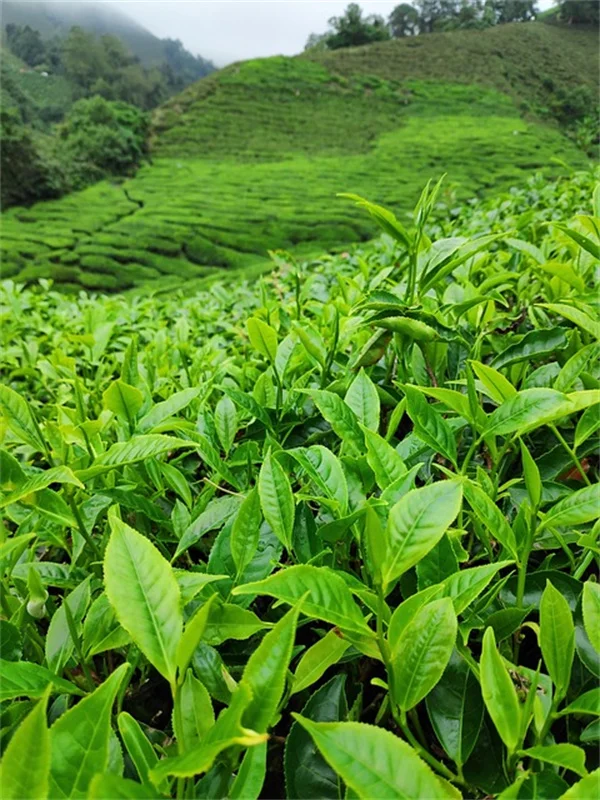 Photos provided by pixabay
Perennials are the gift that keeps on giving. Plant them once, and they come back year after year. Autumn Joy stonecrop, bluebeard, goldenrod, Joe-pye weed, and Montauk daisies are all reliable choices. Japanese anemones bloom in USDA zones 5 to 9 from late summer to late fall.
Let me break these down for you. Autumn Joy stonecrop is a rockstar — its flower heads start pale green in summer, turn pink in late summer, and deepen to a rich burgundy by October. Bluebeard is a compact shrub with beautiful blue flowers that butterflies love. Goldenrod is often blamed for hay fever (that's actually ragweed), and it's a gorgeous, bright yellow addition. Joe-pye weed can get tall — up to 6 feet — so plant it in the back of a border. Its fluffy pink flowers are a magnet for pollinators. Montauk daisies are a personal favorite — they bloom in October with cheerful white petals and yellow centers. Japanese anemones are elegant with their tall stems and cup-shaped flowers in pink or white. For colorful shrubs, Limelight hydrangea blooms give a pop of chartreuse color that darkens to a rosy hue as the flowers mature. When the blooms have faded, the foliage turns to a burnished red. Spirea japonica 'Goldmound' is another colorful autumn gardening idea. In spring, the foliage is bright yellow; in summer, it blooms with pink blossoms and the leaves fade to yellowish green. By fall, the leaves transition into a rich golden yellow. I recommend planting a mix of these perennials so you have something blooming from late August through November. Group them in odd numbers — three, five, or seven — for a natural look. And don't forget to divide them every few years to keep them vigorous. With these perennials, your fall garden will just get better with age.
Not all fall flowers are created equal. Some are better for containers, some for borders, and some for cutting. Here's a quick comparison table based on my experience to help you choose the right ones for your garden.
| Flower Type | Bloom Time | Height | Sun Needs | Best For | Hardiness Zone |
|---|---|---|---|---|---|
| Chrysanthemum (Mum) | September to November | 1-3 feet | Full sun | Containers, borders | 5-9 |
| Japanese Anemone | Late August to October | 2-4 feet | Partial shade | Borders, woodland gardens | 5-9 |
| Autumn Joy Stonecrop | August to October | 1-2 feet | Full sun | Front of borders, rock gardens | 3-9 |
| Goldenrod | August to October | 2-5 feet | Full sun | Back of borders, meadows | 4-9 |
| Montauk Daisy | October to November | 1-3 feet | Full sun | Cutting gardens, borders | 5-9 |
| Celosia | August to Frost | 1-3 feet | Full sun | Containers, borders | Annual |
| Marigold | August to Frost | 0.5-3 feet | Full sun | Borders, containers | Annual |
| Flowering Kale | October to December | 1-1.5 feet | Full sun to partial shade | Containers, front of borders | Annual |
According to a survey by the National Gardening Association, about 30-40% of U.S. households plant fall flowers each year, with mums being the most popular choice. Use this table as a starting point, but always check your local conditions. I've learned that what works in one garden doesn't always work in another, so don't be afraid to experiment. Start with a few varieties and see what thrives in your specific spot. You can also mix and match — plant tall goldenrod in the back, medium mums in the middle, and low-growing marigolds in the front for a layered effect.
Photos provided by pixabay
I've made almost every mistake in the book, and I'm here to save you from the same headaches. Let me walk you through the biggest blunders I see — and how to avoid them like a pro.
First up: waiting too long to plant. The reason you should start early is because, once fall arrives, most nurseries are getting ready to either close their doors for the season or switch over to holiday items like pumpkins and readying for Christmas tree season. Your options may be limited if you wait too late. I can't tell you how many times I've frantically searched for a specific variety in mid-October only to find empty shelves. Second mistake: not amending your soil. After a long summer of growing, your soil is probably depleted. Add some compost or a slow-release fertilizer before you plant. Third mistake: overwatering. Cooler weather means less evaporation, so check the soil before you water. I've killed more plants with kindness than neglect. Fourth mistake: ignoring sunlight changes. As the sun shifts lower in the sky, shady spots become even shadier. What got full sun in July might be in deep shade by October. Pay attention to where the light actually falls. Fifth mistake: not mulching. A good layer of mulch protects roots from temperature swings and keeps weeds down. Sixth mistake: planting too densely. Fall flowers are often smaller when you buy them, but they'll grow. Give them space to breathe. Seventh mistake: forgetting about frost dates. Know your average first frost date and plan accordingly. Nothing is more heartbreaking than a sudden frost killing your brand new plants. Eighth mistake: not considering wind. Fall winds can be brutal. Stake tall plants or place them in sheltered spots. Ninth mistake: skipping deadheading. Even in fall, removing spent blooms encourages more flowers. Tenth mistake: ignoring pest pressure. Aphids and caterpillars are still active in fall. Check your plants regularly. Avoid these pitfalls, and your fall garden will be the envy of the neighborhood.
You've planted your fall garden flowers, and they look amazing. But now comes the tricky part: keeping them alive through the first frost. Here's a quick checklist I use every year to make sure my garden makes it through.
 Photos provided by pixabay
First, know your frost date. Check your local weather forecast or use an online frost date calculator. About two weeks before your expected first frost, start preparing. Mulch heavily around the base of your plants — a 2-3 inch layer of straw or shredded leaves will insulate the roots. Water your plants deeply the day before a frost — wet soil holds heat better than dry soil. Cover tender plants with row covers, old sheets, or frost blankets. I've used everything from burlap to old bed sheets, and they all work. Just make sure the cover doesn't touch the foliage — use stakes or hoops to create a tent. Remove covers during the day so plants can breathe and get sunlight. For container plants, move them to a sheltered spot like a porch or garage. Group pots together for added warmth. Don't forget about your shrubs — they can benefit from a layer of mulch too. Harvest any remaining vegetables before the frost hits. And finally, take photos of your garden — you'll want to remember how beautiful it looked when you're planning next year's garden.
After the frost hits, it's time for cleanup. But don't be too hasty — some plants look beautiful even when they're dead. Leave ornamental grasses and seed heads for winter interest and bird food. Cut back spent annuals and add them to your compost pile. Remove any diseased plant material — don't compost that, throw it in the trash. Pull up any weeds that have taken hold. Add a final layer of compost to your beds to feed the soil over winter. Turn off and drain your hoses to prevent freezing. Clean and store your garden tools — a little oil on the blades prevents rust. Label any perennials you've planted so you don't accidentally dig them up in spring. I also recommend taking notes — what worked, what didn't, what you want to try next year. Finally, relax — you've earned it. Your garden is now tucked in for the winter, and spring will bring new life. But for now, enjoy the peace and quiet of a sleeping garden.
Here's a question for you: why do some gardeners have stunning fall gardens every year while others struggle? The answer often comes down to the small details that most people overlook. Let me share a few that I've learned the hard way.
First, check your soil pH. Most fall flowers prefer a slightly acidic to neutral pH (6.0-7.0). A simple soil test kit from a garden center costs about $10-15 and can save you a lot of frustration. Second, don't forget to fertilize after planting. Use a balanced fertilizer like 10-10-10 to give your plants a boost. Third, water deeply but less frequently. This encourages roots to grow deep, making plants more drought-tolerant. Fourth, use a soaker hose or drip irrigation — it keeps water off the foliage, which reduces disease risk. Fifth, rotate your plantings if you have space. Don't plant the same flowers in the same spot year after year. Sixth, pay attention to your microclimates — a spot that's sheltered from wind might be a few degrees warmer than the rest of your garden. Seventh, deadhead religiously. I know I've said it before, but it's that important. Eighth, use a slow-release fertilizer so you don't have to remember to feed every week. Ninth, group plants with similar water needs together — this makes watering more efficient. Tenth, and this is a big one, don't be afraid to ask for help. Your local nursery or extension office can give you specific advice for your area. These small details add up to a big difference in the health and beauty of your fall garden. Trust me, your plants will thank you.
Let me walk you through a real-world scenario. Imagine it's a Saturday morning in late August. You look at your garden and realize it's looking tired. Here's how I'd transform it in a single weekend.
Saturday morning: Start by cleaning up. Pull out spent summer annuals and cut back leggy perennials. Add a layer of compost to the beds and turn it in gently. Make a list of what you want to plant. Saturday afternoon: Head to the nursery. Pick up a mix of annuals and perennials — I usually buy 3-4 different types in odd numbers. Choose a color palette and stick to it. Sunday morning: Plant everything. Start with the tallest plants in the back, then work your way forward. Water everything in well. Add a layer of mulch. Sunday afternoon: Add some decorative elements. Place a pumpkin or two among the plants. Set out a few pots of mums by the front door. By Sunday evening, your garden looks completely transformed — and you've only spent about 10 hours total. This is the beauty of fall gardening — it doesn't require a huge investment of time or money. With a little planning and a focused weekend, you can have a garden that looks like it took weeks to create. I've done this exact makeover for friends, and they're always amazed at the difference. So go ahead, give it a try. You might surprise yourself with what you can accomplish in just two days.
You might think vegetable gardening ends when summer does — but I've got news for you. Some of the best-tasting vegetables I've ever grown came from my fall garden. Cool weather actually makes certain crops sweeter and more tender. Here's the thing most people don't realize: you can keep harvesting well into November if you pick the right varieties and plant at the right time.
Let me share what I've learned from years of trial and error. Leafy greens are your best bet for fall — things like kale, spinach, Swiss chard, and lettuce all thrive in cool weather. I plant kale in late August, and I'm still picking leaves in December most years. Root vegetables also do great — carrots, beets, turnips, and radishes actually get sweeter after a light frost because the plant converts starches to sugar as a natural antifreeze. Don't forget about brassicas — broccoli, cauliflower, and Brussels sprouts are classic fall crops. I once grew a patch of Brussels sprouts that lasted through a light snow — they tasted amazing. Peas are another option if you get them in early enough. Here's a trick I swear by: use row covers or a cold frame to extend your season by another 4-6 weeks. You can buy a simple hoop house kit for about $30-50, or build your own with PVC pipes and plastic sheeting. Start your seeds indoors in mid-summer so they're ready to transplant when the weather cools. Water consistently — fall can be dry, and seedlings need moisture to establish. And don't forget to fertilize — a balanced liquid fertilizer every two weeks keeps your veggie plants productive. I've had neighbors ask me how I'm still harvesting kale in November while their garden is bare — the secret is simply planning ahead and choosing cold-tolerant varieties.
Timing is everything with fall vegetables. Plant too early and the heat stunts them; plant too late and frost kills them. Here's a simple rule I follow: count back from your first frost date using the "days to maturity" on the seed packet, then add two weeks for slower growth in cooler weather.
| Vegetable | Days to Maturity | Planting Window | Cold Tolerance | Best Feature |
|---|---|---|---|---|
| Kale | 50-60 days | Late July to mid-August | Down to 20°F | Gets sweeter after frost |
| Spinach | 40-50 days | Late August to early September | Down to 20°F | Fast-growing, nutrient-packed |
| Carrots | 60-80 days | Mid-July to early August | Down to 20°F | Sweeten in cold weather |
| Broccoli | 60-70 days | Late July to early August | Down to 25°F | Produces side shoots after harvest |
| Radishes | 25-30 days | Early to mid-September | Down to 28°F | Quickest crop you'll ever grow |
| Lettuce | 45-60 days | Late August to early September | Down to 25°F | Can harvest leaves repeatedly |
| Swiss Chard | 50-60 days | Late July to mid-August | Down to 25°F | Colorful stems add visual interest |
According to a study by the University of California Cooperative Extension, fall-planted kale can contain up to 20-30% more antioxidants than spring-planted kale because of the cold stress response. I use this table every year when I plan my fall garden. Start with the vegetables your family actually eats — there's no point growing broccoli if nobody likes it. Plant in succession — sow a row of radishes every two weeks for a continuous harvest. Mix vegetables with your flowers for a beautiful and productive garden. And here's a pro tip: interplant fast-growing crops like radishes between slower ones like broccoli. By the time the broccoli needs space, you've already harvested the radishes. This is how you get the most out of every square foot of your garden.
Here's a question I get asked every September: why should I think about spring flowers when I'm still enjoying my fall garden? The answer is simple — fall is the only time you can plant spring-blooming bulbs. If you wait until spring, you've missed the window completely. Bulbs need a period of cold dormancy to trigger their growth cycle, and that's exactly what winter provides. Planting bulbs in fall is like investing in next year's beauty — you put in a little effort now, and you get a spectacular payoff in March and April.
Let me walk you through how I approach bulb planting. First, choose your bulbs wisely. Daffodils, tulips, crocuses, hyacinths, and alliums are the most popular choices, and for good reason. Daffodils are virtually pest-proof — deer and squirrels won't touch them. Tulips come in every color imaginable, but they're a favorite snack for critters, so plant them in wire cages or use repellents. Crocuses are the first to bloom in spring, often poking through snow. Hyacinths fill the air with an incredible fragrance. Alliums add dramatic height with their globe-shaped flower heads. The best time to plant bulbs is about 6-8 weeks before the ground freezes — for most of us, that's late September through October. Plant bulbs at a depth of 2-3 times their height — a 2-inch tulip bulb goes 4-6 inches deep. Space them properly — daffodils need about 4-6 inches apart, tulips about 3-5 inches. I always plant in clusters rather than single rows — it creates a more natural, vibrant display. Add a handful of bone meal or bulb fertilizer to each hole for strong root development. Water well after planting to settle the soil. Then cover with mulch to insulate the bulbs and protect them from temperature swings. Here's a tip I learned from a master gardener: plant bulbs in layers — put large daffodils at the bottom, medium tulips in the middle, and small crocuses on top. This creates a "bulb lasagna" that blooms in succession from early to late spring. I've done this in my front garden, and it's stunning — every few weeks from March through May, a new wave of flowers appears. Don't be afraid to experiment with different color combinations. I once planted a mix of purple tulips and yellow daffodils — the contrast was absolutely show-stopping. According to the Netherlands Flower Bulb Information Center, about 25-35% of U.S. households plant spring-blooming bulbs each fall, making it one of the most popular gardening activities. So go ahead, give it a try. Your future self will thank you when you step outside in early spring and see those first green shoots pushing through the soil.
I've made a shift in my gardening philosophy over the past few years, and I want to share it with you. I've started incorporating more native plants into my fall garden, and the results have been incredible — not just for me, but for the local wildlife too. Native plants are adapted to your specific climate and soil, which means they require less water, fertilizer, and maintenance. They also provide essential food and habitat for local pollinators, birds, and beneficial insects. Here's the thing most people don't realize: many of the common fall garden flowers we buy at nurseries are non-native varieties that don't support local ecosystems the way natives do.
Let me give you some specific examples. New England aster is a powerhouse for fall pollinators — it blooms from late August through October with masses of purple, pink, or white flowers. Goldenrod is another native superstar — despite the myth that it causes hay fever, it's actually ragweed that's the culprit. Goldenrod attracts dozens of butterfly and bee species. Joe-pye weed is a native perennial that can reach 6 feet tall with fluffy pink flower clusters that butterflies adore. Blue mistflower is a lower-growing native that blooms in late summer and fall with fuzzy blue flower heads. Switchgrass and little bluestem are native grasses that provide winter interest and seeds for birds. I've planted a mix of these natives in my backyard, and the difference is remarkable — my garden is buzzing with activity from morning till evening. According to a study by the University of Delaware, native plants support about 3-4 times more pollinator species than non-native plants. You don't have to go all-native overnight — start by replacing one or two non-native plants with native alternatives each season. Your local extension office or native plant society can recommend specific species for your area. I've found that native plants are also more resilient to extreme weather — they're better at handling drought, heavy rain, and temperature swings. And here's the best part: once established, native plants require almost no maintenance. No fertilizing, no babying, no fussing. They just grow and thrive. I've had friends tell me their native plant gardens look better than their high-maintenance flower beds — and they spend way less time on them. So if you're looking for a way to make your fall garden more sustainable and wildlife-friendly, native plants are the way to go.
You might be wondering: does my fall garden really matter for pollinators? The answer is a resounding yes. As summer flowers fade, bees, butterflies, and other pollinators need food sources to fuel up for migration or hibernation. A fall garden filled with the right flowers can be a lifeline for these essential creatures. I've watched monarch butterflies stop at my goldenrod and asters on their migration south — it's a magical sight that I look forward to every year. Here's what you need to know: not all flowers are equally valuable to pollinators. Some modern hybrid varieties have been bred for showy petals but produce little to no nectar or pollen.
Let me break down the best pollinator-friendly fall flowers. Single-flowered varieties are always better than double-flowered ones. Double-flowered mums look beautiful, but bees can't access their nectar — the extra petals block the way. Stick with single-flowered mums, asters, and sunflowers for the best pollinator support. Goldenrod is a pollinator magnet — I've counted over 10 different insect species on a single plant. Sedum 'Autumn Joy' is another favorite — its flat flower heads provide a perfect landing pad for bees and butterflies. Joe-pye weed attracts swallowtail butterflies in droves. Purple coneflower produces seeds that goldfinches love — leave the dried flower heads on through winter. I also recommend planting a patch of native wildflowers — a mix of black-eyed Susans, bee balm, and butterfly weed will keep pollinators happy for months. According to the Xerces Society for Invertebrate Conservation, providing fall-blooming flowers can increase overwintering survival rates for native bees by about 30-50%. Here's a practical tip: plant in clusters of at least 3-5 plants of the same species — this makes it easier for pollinators to find and feed efficiently. Avoid using pesticides, especially during bloom time. If you must use something, choose insecticidal soaps or neem oil and apply them in the evening when pollinators are less active. Provide a water source too — a shallow dish with pebbles and fresh water gives pollinators a place to drink. I've seen bees land on the pebbles in my water dish and take a long drink after a hot day — it's a simple gesture that makes a real difference. Creating a pollinator-friendly fall garden isn't complicated — it's about making thoughtful choices that benefit both you and the environment. And honestly, seeing a monarch butterfly land on a flower you planted is one of the most rewarding experiences in gardening.
Here's something I didn't fully appreciate until a few years ago: fall is the most important season for lawn care. Whatever you do (or don't do) to your lawn in September, October, and November has a huge impact on what it looks like the following spring. Cool-season grasses like fescue and bluegrass are actively growing in fall, so they're ready to absorb nutrients and repair damage from summer stress. I used to ignore my lawn in fall, and I paid for it every spring with a patchy, weedy mess. But once I started a proper fall lawn care routine, everything changed. Let me save you the trial and error — here's exactly what I do.
First, aerate your lawn. Core aeration removes small plugs of soil, which reduces compaction and allows air, water, and nutrients to reach the roots. I rent a core aerator from my local hardware store for about $40-50 for a day — it's worth every penny. Second, overseed. After aeration, spread grass seed over thin or bare areas. Fall is the perfect time for overseeding because the soil is warm, the air is cool, and there's less competition from weeds. I use a mix of tall fescue and perennial ryegrass for my zone — check with your local extension office for the best blend for your area. Third, fertilize. Apply a slow-release, high-nitrogen fertilizer in late September or early October. This gives your grass the nutrients it needs to build strong roots before winter. Fourth, keep mowing. Don't stop mowing just because the weather is cooler. Keep your grass at about 2-3 inches tall — tall enough to photosynthesize, short enough to avoid matting under snow. Fifth, rake leaves regularly. A thick layer of leaves can smother your grass and create a breeding ground for fungal diseases. I use my leaves for mulch instead of bagging them — I run over them with my mower and let them decompose on the lawn. This returns nutrients to the soil and reduces waste. Sixth, water as needed. Fall can be dry, and your grass needs about 1 inch of water per week from rain or irrigation. I check my soil moisture with a simple finger test — if it's dry 2 inches down, I water. Seventh, control weeds. Fall is the best time to treat perennial weeds like dandelions and clover. They're busy storing food in their roots, so herbicides are more effective. I use a spot-treatment approach rather than blanket spraying to minimize chemical use. Eighth, don't forget about your lawn mower. Before you store it for winter, change the oil, sharpen the blade, and drain the fuel. A well-maintained mower will make your spring lawn care much easier. According to a survey by the Lawn Institute, about 60-70% of homeowners who do fall lawn care report a noticeably greener, thicker lawn the following spring. I can personally vouch for that number — since I started following this routine, my lawn has gone from being the worst on the block to one of the best. So don't neglect your lawn this fall. A few hours of work now will save you weeks of frustration next spring.
You know what I love about container gardening? You can have a beautiful fall garden even if you don't have a yard. Pots, planters, window boxes, and hanging baskets give you the flexibility to create stunning displays on patios, balconies, or front porches. Plus, you can move them around to catch the best light or protect them from frost. I've made fall container gardens for friends who live in apartments, and they're always amazed at what's possible. Here's a question for you: why limit yourself to mums when you can create a mixed container that looks amazing for months? The answer is, you don't have to. Let me show you how to build a fall container that's anything but boring.
Start with a thriller, a filler, and a spiller. This classic container design formula works perfectly for fall. Your thriller is the tall, eye-catching plant — try ornamental grass like purple fountain grass, or a tall variety of celosia. Your filler is the medium-height plant that fills in the middle — mums, marigolds, or flowering kale work great. Your spiller is the trailing plant that cascades over the edges — Dichondra 'Silver Falls', ivy, or sweet potato vine are excellent choices. I also love adding a few unexpected elements — like ornamental peppers for their colorful fruits, or a small pumpkin nestled among the plants. Choose a color palette that speaks to you. One of my favorite combos is deep purple — purple fountain grass as the thriller, purple mums as the filler, and silver dichondra as the spiller. Another go-to is warm harvest tones — orange celosia, yellow marigolds, and bronze sweet potato vine. Use a high-quality potting mix — garden soil is too heavy for containers and can lead to drainage problems. Make sure your pots have drainage holes. I learned this the hard way when I killed an entire container garden by using pots without drainage — the roots rotted within weeks. Water your containers regularly — pots dry out faster than garden beds, especially in windy fall weather. Fertilize every two weeks with a balanced liquid fertilizer to keep your plants blooming. When frost threatens, move your containers to a sheltered spot like a porch or garage. You can also cover them with frost cloth overnight. With a little creativity, your fall containers can be just as beautiful as any garden bed. I've had neighbors stop and ask about the containers on my front porch — they're simple to put together but look like they came from a professional designer. Best of all, container gardening is forgiving — if something doesn't work, you can easily swap it out. So whether you have a sprawling garden or just a tiny balcony, fall container gardening is a fantastic way to enjoy the season's beauty.
Let me walk you through a real-world scenario. Imagine it's a Saturday morning in late August. You look at your garden and realize it's looking tired. Here's how I'd transform it in a single weekend.
Saturday morning: Start by cleaning up. Pull out spent summer annuals and cut back leggy perennials. Add a layer of compost to the beds and turn it in gently. Make a list of what you want to plant. Saturday afternoon: Head to the nursery. Pick up a mix of annuals and perennials — I usually buy 3-4 different types in odd numbers. Choose a color palette and stick to it. Sunday morning: Plant everything. Start with the tallest plants in the back, then work your way forward. Water everything in well. Add a layer of mulch. Sunday afternoon: Add some decorative elements. Place a pumpkin or two among the plants. Set out a few pots of mums by the front door. By Sunday evening, your garden looks completely transformed — and you've only spent about 10 hours total. This is the beauty of fall gardening — it doesn't require a huge investment of time or money. With a little planning and a focused weekend, you can have a garden that looks like it took weeks to create. I've done this exact makeover for friends, and they're always amazed at the difference. So go ahead, give it a try. You might surprise yourself with what you can accomplish in just two days.
E.g. :27 Fall Flowers to Brighten Your Autumn Garden - Proven Winners
What are some Flowers that Bloom in the Fall? : r/gardening - Reddit
50 Best Fall Flowers to Color Your Autumn Garden - Gardenia.net
Best Fall Flowers for the Cut Flower Garden - Long River Family Farm
Fall Blooming Native Plants
A: I've made almost every mistake in the book, and I'm here to save you from the same headaches. Waiting too long to plant is the biggest blunder — once fall arrives, most nurseries are getting ready to close their doors or switch over to holiday items like pumpkins and Christmas trees, so your options get really limited by mid-September. Another issue I see constantly is not amending the soil after a long summer of growing; your garden bed is probably depleted, so add some compost or a slow-release fertilizer before you plant anything. Overwatering is also a huge trap — cooler weather means less evaporation, so always check the soil moisture before you water. I've killed more plants with kindness than with neglect. Ignoring sunlight changes is another one: as the sun shifts lower in the sky, what got full sun in July might be in deep shade by October. And don't forget about mulching — a good layer protects roots from temperature swings and keeps weeds down. Planting too densely, forgetting your frost dates, not considering wind, skipping deadheading, and ignoring pest pressure round out the top ten. Avoid these pitfalls, and your fall garden will be the envy of the neighborhood.
A: The secret isn't luck — it's about choosing the right plants and timing your plantings strategically. Start with a mix of early and late bloomers: early fall flowers like Japanese anemones and goldenrod will give you color in September, while late bloomers like chrysanthemums and asters carry the show into November. I always recommend planting them in clusters for a bigger visual impact. Another trick I've used for years is staggering your planting times — if you plant everything at once, it all fades at once. Instead, plant a batch in early August, another in late August, and a third in mid-September so you get a continuous wave of color. Don't forget about foliage plants either — coleus and ornamental peppers provide interest even when they're not blooming. I also love using container gardens for flexibility; you can move pots around to catch the best light or bring them inside during a frost warning. Deadheading regularly is non-negotiable because every time you remove a spent flower, the plant puts energy into producing more. Fertilize lightly with a balanced liquid fertilizer every two weeks until six weeks before your first frost. Finally, protect your plants from early frosts by covering them with row covers or old sheets on cold nights. With a little planning, you can enjoy a flowering fall garden that lasts from September through Thanksgiving.
A: If you're just starting out with fall gardening, I'd recommend focusing on a few tried-and-true varieties that are practically foolproof. Marigolds are at the top of my list — they come in bright orange, yellow, and red, they bloom continuously until frost, and they're incredibly forgiving if you forget to water them occasionally. Chrysanthemums, or mums, are the undisputed queen of fall, and they're almost impossible to kill if you give them full sun and well-drained soil. Just buy them when the buds are showing color, not when they're already in full bloom, so you get a longer show. Flowering kale is another great option — it looks like a giant ruffled flower and actually gets more colorful as the weather cools. It's also very low maintenance. For perennials, Autumn Joy stonecrop is a rockstar: it starts pale green in summer, turns pink in late summer, and deepens to a rich burgundy by October with almost no effort from you. Montauk daisies are another personal favorite — they bloom in October with cheerful white petals and yellow centers, and they're very drought-tolerant once established. If you're working with containers, pansies and violas love cool weather and can even survive a light frost. Start with two or three of these varieties, and you'll have a beautiful fall garden without the stress.
A: You've planted your fall garden flowers, and they look amazing — but now comes the tricky part: keeping them alive through the first frost. About two weeks before your expected first frost date, start preparing. I always mulch heavily around the base of my plants with a 2-3 inch layer of straw or shredded leaves to insulate the roots. Water your plants deeply the day before a frost because wet soil holds heat better than dry soil. Cover tender plants with row covers, old sheets, or frost blankets — I've used everything from burlap to old bed sheets, and they all work. Just make sure the cover doesn't touch the foliage, so use stakes or hoops to create a tent. Remove covers during the day so plants can breathe and get sunlight. For container plants, move them to a sheltered spot like a porch or garage, and group pots together for added warmth. Don't forget about your shrubs — they can benefit from a layer of mulch too. Harvest any remaining vegetables before the frost hits. After the frost, clean up by cutting back spent annuals, removing diseased plant material, and pulling up weeds. Add a final layer of compost to feed the soil over winter. Turn off and drain your hoses to prevent freezing. And finally, take notes on what worked and what didn't for next year. Your garden is now tucked in for the winter, and spring will bring new life.
A: In my experience, your foundation plants — trees and shrubs — should always come first because they're the backbone of your fall garden. They stay put all year and provide structure, so you want to choose ones that offer year-round interest, not just a one-season show. Think of them as the stage set: they'll be there all year, so pick plants that earn their keep. For example, Kousa dogwood blooms in early summer but by fall is covered with red, raspberry-like fruit. Oakleaf hydrangea is another favorite — its leaves turn a deep burgundy in autumn, and the dried flower heads stay on through winter. Evergreen shrubs also give your garden structure when everything else goes bare. Once your foundation is set, then you can add fall garden flowers — both annuals and perennials — for color and texture. The annuals like celosia, mums, and marigolds give you quick, vibrant color, while perennials like Autumn Joy stonecrop and Japanese anemones come back year after year. I usually plan my foundation plants first, then choose a color palette for the flowers that complements them. Start early — by late August, nurseries have the best selection. If you do it in this order, your garden will have a solid structure and beautiful seasonal color that lasts from September through November.
Recommended
Spinach History: From Persian Greens to Popeye's Legacy
Grow Vegetables in Hawaii: 5 Steps to a Thriving Garden
The 7 Essential Aponogeton Aquarium Plant Care Tips for Beginners
Yes, You Can Plant Under Oak Trees — Avoid These 3 Deadly Mistakes