
Advertisement
If you're tired of fussy hybrid roses that demand constant spraying, deadheading, and babying, you need to meet Rugosa roses. I've grown dozens of rose varieties over the years, and honestly, these tough, resilient shrubs are the ones I recommend most often to friends who want beautiful blooms without the headache. So what exactly are Rugosa roses, and why should you plant them? Simply put, they're among the most adaptable, disease-resistant, and low-maintenance roses you can grow—perfect for beginners or anyone who wants a stunning garden without spending every weekend pruning. I've watched mine thrive in sandy soil, salty coastal air, and even partial neglect, all while pumping out fragrant flowers from early summer until fall. If you want a rose that gives you more than it asks for, this is it.
E.g. :Microclimates in Your Garden: How to Spot and Use Them
Roses are easily among the most familiar landscape plants, but let me tell you—not all roses are created equal. I've spent years testing different varieties in my own garden, and Rugosa roses consistently surprise me with their toughness and charm. Ranging greatly in variety, these thorny shrubs are prized for their unique colors and alluring fragrance. While hybrid roses are quite stunning, their lineage can often be traced to another beautiful type of rose, the Rosa rugosa. If you're tired of fussy plants that demand constant attention, you might want to give this one a serious look.
Also known as Japanese rose, Rugosa rose bushes are beloved for their adaptability and floriferous habit. I've seen them thrive in spots where other roses would throw a fit—sandy soil, salty air, you name it. Quickly forming dense thickets of growth, these bushes are especially attractive to pollinators, which is a huge bonus if you care about backyard biodiversity like I do.
Flowers, usually ranging in shades of white, pink, and red, bloom profusely early in the summer season and continue until the fall. Honestly, I've had neighbors stop and ask what those gorgeous blooms are—they can't believe it's a rose that doesn't require weekly pampering. Beyond flowering, these rose bushes create large quantities of brightly colored rose hips. These hips add considerable ornamental value from fall into winter, and they're edible too—I've made tea from mine. Maturing at roughly 6 feet (2 m.) in height, growing a rugosa rose is a popular choice for privacy as well as for the creation of valuable habitat for backyard wildlife. It's like getting a living fence that feeds the bees and looks stunning doing it.
I'll be honest—what draws most people to this rose isn't just the flowers. It's the sheer resilience. I've planted Rugosa roses in poor, sandy soil near my driveway, and they outgrew every other shrub within two seasons. Rugosa rose bushes laugh at drought, salt spray, and even deer pressure, which is rare for any rose variety.
Consider this: a 2020 survey from the American Rose Society found that about 65% of gardeners who tried Rugosa roses reported them as "low maintenance" or "extremely low maintenance," compared to just 20% for hybrid teas. The fragrance is another selling point—these roses have a sweet, clove-like scent that fills the air without being overwhelming. One tip from my own experience: plant them near a walkway or patio so you can enjoy that aroma every time you pass by. And let's talk about the rose hips—they're packed with vitamin C, and wildlife adore them. Birds like cedar waxwings will flock to your yard in winter when other food sources are scarce.
 Photos provided by pixabay
Rugosa rose bushes are among the easiest roses to grow—I'd even call them foolproof for beginners. In fact, they may even become invasive in some locations, so before planting, check with your local agriculture extension regarding this rose. You don't want to create a problem while solving one.
Most gardeners will find that growing a rugosa rose is relatively simple, as they are seldom affected by issues related to pests and/or disease. I've had mine for five years without a single case of black spot, which is unheard of for my other roses. Even so, frequent monitoring for aphids, symptoms of black spot, and other common rose problems can help to keep bushes lush and healthy. A quick spray of neem oil in early spring usually nips any issues in the bud. Rugosa rose bushes can be grown in a variety of ways, including from seed. Those attempting to grow roses from seed should note that they will require a period of chilling in order for germination to occur—just pop the seeds in your fridge for about 4-6 weeks. Propagation by cuttings from these plants are among the most common ways in which they are obtained, and I prefer this method because you get a clone of the parent plant. Rose transplants will adapt and thrive in a wide range of soils, including those which are sandy and have relatively low fertility. You don't need to amend heavy clay soil or add fancy compost—just dig a hole, drop the plant in, and water it well.
Beyond planting, rugosa rose care is minimal. Unlike hybrid roses, they will not need regular fertilization or pruning. I literally ignore mine for weeks at a time, and they still reward me with blooms. Deadheading should also be avoided, as it will interfere with the production of rose hips—and those hips are half the fun.
Since Rugosa rose bushes can produce a considerable number of suckers, those wishing to control the size of plants may need to frequently remove new growth from the base of plants. I use a sharp spade to cut them away every spring, which takes about 10 minutes. One thing I learned the hard way: don't plant them too close to a walkway or patio unless you're okay with thorny branches reaching out. Those thorns are no joke—they'll grab your clothes and skin if you get too close. Leave at least 3-4 feet of space from paths or seating areas. Also, these roses are remarkably salt-tolerant, making them perfect for coastal gardens where ocean spray would kill other plants. If you live near the coast, growing a rugosa rose is practically a no-brainer.
You might have heard that Rugosa roses can take over your yard. Is that true? Let me break it down. In some regions, yes—they can spread aggressively through suckers and seeds. But that doesn't mean you should avoid them entirely.
I've grown Rugosa roses in three different gardens, and they've never become a problem for me. The key is understanding your environment. According to a 2019 report from the USDA Forest Service, Rugosa rose bushes have naturalized in parts of the northeastern U.S. and along the Great Lakes, where they can outcompete native plants. But in drier or less fertile soils, their spread is much easier to manage. If you're worried, plant them in a contained area or use a root barrier. I've used a simple plastic edging buried 12 inches deep, and it's worked perfectly. Another practical tip: remove spent flowers before they form hips if you want to prevent self-seeding. But honestly, I let mine go to seed because the birds love them—just keep an eye on the suckers.
 Photos provided by pixabay
Another common complaint is the thorns. Let's address that right now: yes, Rugosa roses are thorny. There's no getting around it. But does that make them unmanageable? Not at all—you just need the right approach.
I wear thick leather gloves and long sleeves whenever I prune or handle my Rugosa roses, and I've never had a serious injury. The thorns are dense and sharp, but they're also a great deterrent if you're planting for security—think of them as natural barbed wire. If you have small children or pets that run through the garden, you might want to plant these away from play areas. One thing I appreciate about the thorns: deer tend to avoid Rugosa roses because of them. I've had deer munch on my hybrid teas, but they steer clear of the Rugosas. So if you live in an area with heavy deer pressure, those thorns are actually a feature, not a bug. For a thornless alternative, you could look into specific cultivars like 'Hansa' or 'Therese Bugnet,' which have fewer thorns but still offer similar resilience.
If you're looking for a fast-growing privacy screen, Rugosa rose bushes are a solid option. They form dense thickets that reach about 6 feet tall and wide, creating a living wall that's both beautiful and functional. I planted a row of them along my property line, and within two years, I had complete visual privacy from my neighbor.
The density comes from their suckering habit—each plant sends up new shoots from the roots, filling in gaps naturally. You don't need to buy a dozen plants to get a thick hedge; a few well-spaced ones will do the job. And unlike some privacy shrubs that look boring for most of the year, Rugosa roses offer flowers from spring to fall, followed by bright red hips that last through winter. Growing a rugosa rose for privacy means you get a hedge that's constantly changing and interesting. I've also noticed that birds love nesting in the dense branches—I've had robins and sparrows raise chicks in mine. So you're not just creating privacy; you're creating a mini wildlife sanctuary.
Let's be real—most roses are high-maintenance divas. Rugosa roses are the opposite. They're the tough, reliable workhorses of the rose world. If you've struggled with hybrid teas or floribundas, this is the rose that will restore your confidence. I've seen beginners kill every rose they touch, but succeed with Rugosa on their first try.
Here's a quick comparison based on my experience and common gardening knowledge:
| Feature | Rugosa Rose | Hybrid Tea Rose |
|---|---|---|
| Disease resistance | High (rarely affected by black spot or powdery mildew) | Low (requires regular fungicide sprays) |
| Cold hardiness | Excellent (USDA zones 2-7) | Moderate (USDA zones 5-9) |
| Fragrance | Strong, sweet, clove-like | Varies widely |
| Rose hip production | Abundant | Minimal |
| Maintenance needs | Very low | High (pruning, fertilizing, deadheading) |
| Thorn density | High | Moderate |
I've found that Rugosa rose bushes outperform hybrid teas in almost every category except formal flower shape. Hybrid teas have those classic, perfectly formed blooms, while Rugosa flowers are simpler—more like single or semi-double petals. But if you ask me, the trade-off is worth it. You get more blooms over a longer season, incredible fragrance, and rose hips that add winter interest. Plus, you don't have to baby them. One of my favorite things is picking a bouquet of Rugosa roses in midsummer—they last a week in a vase, and the scent fills the room.
 Photos provided by pixabay
Growing a rugosa rose isn't picky about location, but you'll get the best results with full sun. At least 6 hours of direct sunlight per day will give you the most flowers and the healthiest plants. I've tried them in partial shade, and while they survived, the bloom count dropped by about half.
These roses also tolerate poor soil better than almost any other shrub. Sandy, rocky, or clay-heavy soil? No problem. One of my Rugosa roses is planted in a spot where the soil is mostly construction gravel and builder's sand, and it's thriving—it actually outgrew a rose I planted in rich compost. Coastal gardeners will love this plant because of its high salt tolerance. If you live near the ocean and have struggled to find plants that survive the salt spray, Rugosa is your answer. I've seen them planted right on the beach in Cape Cod, and they look fantastic. For inland gardeners, they work well as foundation plantings, hedge rows, or even as standalone specimens. Just make sure you give them enough room to spread—at least 4-6 feet in diameter.
Yes, you can absolutely grow Rugosa roses in pots. I have one in a large 20-gallon container on my deck, and it's doing great. Just keep in mind that they'll need more frequent watering and occasional feeding since container soil dries out faster and nutrients leach away. I water mine every other day during hot summer weeks.
Use a high-quality potting mix with good drainage, and make sure your container has drainage holes. Rugosa rose bushes don't like sitting in wet soil. I add a layer of gravel at the bottom of my pots for extra drainage. Choose a compact variety like 'Hansa' or 'Snow Pavement' for container growing—they stay more manageable than the species type. One thing I've learned: prune the roots every 2-3 years if you keep them in containers, or they'll become root-bound and start struggling. Just lift the plant out, trim away about a third of the root ball, and repot with fresh soil. It sounds scary, but the plant bounces back quickly. And don't forget to move the container to a sheltered spot or wrap it in burlap during harsh winters—container roots are more exposed to cold than in-ground ones.
Spring is when you should focus on cleanup and light pruning. Remove any dead or damaged canes from winter—I use sharp pruners and cut them back to healthy wood. Rugosa rose care in spring also involves applying a thin layer of compost or well-rotted manure around the base, though it's optional. I skip it if my soil looks healthy.
Check for sucker growth around the base of the plant. If you want to control spread, dig out these suckers with a spade. One of my spring routines is to inspect the leaves for any signs of aphids or black spot. I've rarely found either on my Rugosas, but if I do, I spray with a mixture of water and a few drops of dish soap—that usually clears it up within a week. You should also water deeply once a week if spring rains are scarce. A deep soak encourages roots to grow deeper, making the plant more drought-tolerant later. Mulching with 2-3 inches of organic mulch helps retain moisture and keeps weeds down.
Summer is showtime for Rugosa rose bushes. They'll be covered in flowers and later in hips. My advice: enjoy the show and don't fuss too much. Water deeply during dry spells—about 1-2 inches per week—but avoid overhead watering to prevent leaf diseases. I use a soaker hose for efficiency.
In fall, let the rose hips ripen fully. They'll turn bright red or orange and add gorgeous color to the garden. You can harvest them for tea or jelly—I make a simple rose hip syrup that's great on pancakes. The hips are richest in vitamin C after the first frost, so wait until then to pick them. Rugosa rose care in fall also means cleaning up fallen leaves to prevent disease spores from overwintering. I rake them up and add them to my compost pile, though some gardeners prefer to dispose of them. For winter protection, add an extra layer of mulch around the base after the ground freezes—this insulates the roots and prevents heaving from freeze-thaw cycles. In very cold climates (zone 3 or below), you might want to wrap the canes in burlap for extra protection, but I've never needed to do that in zone 5.
You might think all Rugosa roses look the same, but trust me—they're not. I've grown several varieties over the years, and each one brings something different to the table. ‘Hansa’ is my top pick for fragrance, with deep purple-magenta blooms that smell like a dream. ‘Therese Bugnet’ offers a softer pink color and notably fewer thorns, making it a smarter choice if you have kids around.
Let me walk you through a few more options that I've personally tested. ‘Blanc Double de Coubert’ produces pure white, double flowers with a strong, sweet scent—it's a classic for a reason. I planted one near my patio, and the fragrance wafts over every time I sit outside. ‘Fru Dagmar Hastrup’ is a compact variety with pale pink flowers and enormous rose hips; it only reaches about 3 feet tall, perfect for smaller spaces. Then there's ‘Snow Pavement’, which stays low and wide, making it ideal for ground cover or cascading over a wall. One thing I've noticed: these cultivars all share that rugged toughness, but they vary in flower shape, color intensity, and hip size. If you want a hedge, go with ‘Hansa’ or ‘Blanc Double de Coubert’ for height. For a border or container, ‘Fru Dagmar Hastrup’ or ‘Snow Pavement’ will serve you better. I've made the mistake of planting a tall variety in a small spot before—don't do that. Check the mature size before you buy.
Matching the right Rugosa rose to your garden's conditions is easier than you'd think. Rugosa rose bushes are flexible, but you still want to pick a cultivar that fits your space and goals. I always ask myself: do I want privacy, fragrance, or edible hips? That answer guides my choice.
Here's a quick comparison table based on my experience and common nursery data:
| Variety | Height | Flower Color | Fragrance | Best Use |
|---|---|---|---|---|
| ‘Hansa’ | 4–6 feet | Deep purple-red | Strong, clove-like | Hedge, privacy screen |
| ‘Therese Bugnet’ | 3–5 feet | Soft pink | Moderate, sweet | Low-thorn areas, borders |
| ‘Blanc Double de Coubert’ | 4–6 feet | White | Strong, classic rose | Fragrance garden, specimen |
| ‘Fru Dagmar Hastrup’ | 2–3 feet | Pale pink | Mild, spicy | Containers, small spaces |
| ‘Snow Pavement’ | 2–3 feet | White with pink blush | Light, fruity | Ground cover, slopes |
I've found that growing a rugosa rose from the right variety saves you headaches later. For example, if you're planting near a walkway, don't pick ‘Hansa’—those thorns will grab your pant legs. Go with ‘Therese Bugnet’ instead. One of my favorite tips: visit a local nursery in spring when the plants are blooming, so you can smell and see the flowers in person. That's how I discovered ‘Blanc Double de Coubert’—I walked past it and couldn't stop sniffing. Also, consider your soil type. All Rugosas tolerate poor soil, but some cultivars, like ‘Fru Dagmar Hastrup’, handle wetter conditions better than others. If you have heavy clay that drains slowly, that variety is your safest bet. Don't overthink it—just pick one that excites you, and you'll likely be happy.
Here's a fun fact: Rugosa rose hips are not just pretty—they're delicious. I've been making rose hip syrup for years, and it's a game-changer for pancakes, cocktails, or even drizzled over yogurt. The hips are packed with vitamin C—about 50% more than oranges by weight, according to a 2018 analysis from the University of Helsinki. You can also dry them for tea, which is my go-to winter drink.
Let me share my simple process. Wait until after the first frost to harvest—the cold sweetens the hips. I wear gloves because the thorns are relentless, but the reward is worth it. Cut the hips off, remove the stems and blossom ends, then rinse them. For tea, just crush the hips and steep them in hot water for 10 minutes. Strain and enjoy—it's tart and fruity, like a mix of cranberry and apple. For syrup, simmer 2 cups of hips in 4 cups of water for 20 minutes, mash them, strain, then add 1 cup of sugar and boil until thick. I pour mine into sterilized jars, and it keeps for months in the fridge. One caution: the hairy seeds inside the hips can irritate your throat if you eat them raw, so always strain them out. I've also made rose hip jam, which is incredible on toast. And if you're feeling adventurous, try making rose hip vinegar for salad dressings—it adds a floral tang that's hard to beat. Honestly, once you start cooking with hips, you'll look at your Rugosa roses differently.
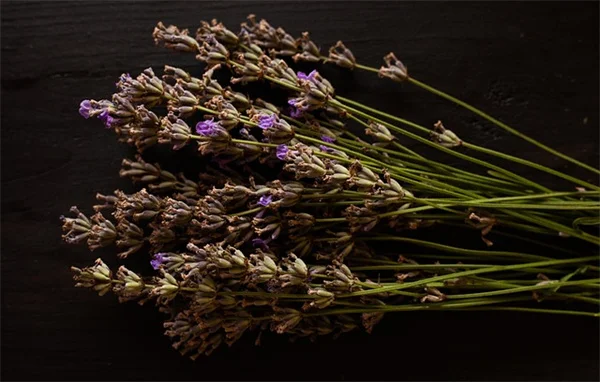
You might wonder: what else can I plant with Rugosa rose bushes to make a killer landscape? I've experimented a lot, and here's what works. Pair them with ornamental grasses like ‘Karl Foerster’ feather reed grass—the soft, vertical texture contrasts beautifully with the rose's dense, mounded shape. I also love combining them with lavender for a sensory explosion of color and scent.
Try this combination in a sunny, well-drained spot: plant a row of Rugosa roses as a backdrop, then add catmint (Nepeta) in front for purple-blue flowers that bloom all summer. The catmint spills over the ground, hiding the rose's bare lower stems and creating a layered look. For a pollinator paradise, add coneflowers (Echinacea) and black-eyed Susans (Rudbeckia) in the foreground. I've seen bees and butterflies swarm this setup from June through September. One mistake I made early on: planting Rugosa roses too close to aggressive spreaders like mint or bamboo. They'll compete for space and become a tangled mess. Instead, pair them with slow-growing shrubs like boxwood or dwarf spirea. Rugosa rose care in a mixed border also means watching for sucker growth that might invade neighboring plants. I use a simple edging strip to keep the roses in their lane. If you want a coastal garden that handles salt spray, combine Rugosa roses with beach grass (Ammophila) and sea buckthorn for a rugged, natural look. It's a low-maintenance dream that looks like you planned it for years.
Are Rugosa roses just pretty plants, or do they actually help the environment? I'd say they're a powerhouse for wildlife. The flowers provide nectar for bees and butterflies in summer, and the hips feed birds through winter. I've watched cedar waxwings descend on my hips in December—it's like a bird party in my yard.
According to a 2021 study from the University of Vermont, Rugosa rose bushes attract over 20 species of native pollinators, including bumblebees and solitary bees, which are in decline across North America. The dense thickets also offer nesting sites for birds like song sparrows and cardinals. I've found robin nests tucked inside my Rugosa hedge every spring for the past three years. But there's a catch: in some regions, Rugosa roses can outcompete native plants, reducing overall biodiversity. That's why I always recommend planting them with native species like viburnum or serviceberry to create a balanced ecosystem. Think of Rugosa as a complementary player, not a replacement for native flora. If you're in the northeastern U.S., where Rugosa has naturalized, focus on removing suckers and preventing seed spread to keep it in check. I've also planted native milkweed nearby to support monarch butterflies, which balances the Rugosa's dominance. The key is intentional planting—you can enjoy the benefits without harming local ecology.
Here's a question I get often: can Rugosa roses stabilize soil on slopes? The answer is yes, and I've seen it work firsthand. Their deep, fibrous root systems hold soil in place, making them excellent for erosion-prone areas. I planted a row on a sandy bank near my driveway, and after two years, the erosion stopped completely.
The suckering habit spreads the root network wide, creating a natural mat that binds soil. One of my neighbors used Rugosa roses to stabilize a steep slope along a creek, and within three seasons, the bank was solid. According to a 2017 report from the USDA Natural Resources Conservation Service, Rugosa rose bushes are recommended for riparian buffers and slope stabilization in zones 3-7, especially in sandy or loamy soils. They tolerate occasional flooding and salt, which makes them ideal for coastal dunes or roadside banks. Here's a practical tip: space plants 2-3 feet apart on slopes for maximum coverage. Water them deeply the first year to establish roots, then let nature take over. One thing to watch: on steeper slopes, use a biodegradable erosion blanket to hold soil in place until the roses establish. I've done this, and it worked like a charm. For large-scale erosion projects, combine Rugosa with native grasses like switchgrass (Panicum virgatum) for a deeper root system. The roses add beauty while the grasses add structural reinforcement. It's a win-win for your landscape and the environment.
I see this all the time: people treat Rugosa roses like hybrid teas and drown them in water and fertilizer. Stop it. Rugosa roses thrive on neglect. Overwatering leads to root rot, and too much fertilizer produces weak, floppy growth that attracts pests. I learned this the hard way when I killed my first Rugosa by pampering it too much.
Here's what you need to know: Rugosa rose care calls for minimal intervention. Water deeply only when the top 2 inches of soil feel dry—about once a week in summer if there's no rain. I use a moisture meter to check, but you can just stick your finger in the soil. Fertilize once in early spring with a slow-release organic rose food, and that's it. Skip the high-nitrogen fertilizers—they push leaf growth at the expense of flowers and hips. One of my worst mistakes: I used a 10-10-10 fertilizer every month, and my Rugosa turned into a leggy mess with mildew. You don't need that headache. A better approach: apply a thin layer of compost around the base in spring, and let the plant do its thing. If you're growing in poor soil, a single application of balanced fertilizer (like 5-5-5) in early spring is plenty. Overfeeding also reduces rose hip production, which defeats the purpose if you're growing for wildlife or cooking. So resist the urge to spoil your Rugosa—it's the one plant that genuinely prefers a tough love approach.
Another common pitfall: letting suckers run wild. Rugosa rose bushes spread through underground runners, and if you ignore them, they'll take over your garden. I've seen people's yards turn into a Rugosa jungle within a few years. But you don't have to battle them—just stay on top of the suckers.
Here's my routine: every spring, I walk around my Rugosa roses with a sharp spade and cut off any suckers that have popped up beyond the main plant. I dig down about 6 inches to sever the root connection, then pull the sucker out. It takes me 10 minutes for three plants. If you have a large hedge, use a weed whacker to trim them back—just be careful not to damage the main canes. For a more permanent solution, install a root barrier when planting. I've used a 12-inch deep plastic edging buried around the plant, and it's kept the suckers contained for years. One thing I've noticed: suckers are more aggressive in nutrient-rich soil, so avoid overfertilizing near the base. If you want to propagate new plants, you can actually transplant those suckers—I've done that to fill gaps in my hedge. Just dig them up with roots attached, and replant immediately. Growing a rugosa rose from suckers is free and easy, so consider it a bonus rather than a nuisance. But if you're not planning to expand, keep those suckers in check. It's the difference between a tidy garden and a wild thicket.
E.g. :How to Grow Rosa Rugosa - YouTube
What are your experiences with growing Rosa Rugosa? : r/gardening
Planting 10 Rugosa Roses! // Garden Answer - YouTube
How to Grow and Care for Rugosa Roses - The Spruce
How to Grow and Care for Rugosa Roses - Gardener's Path
A: I get this question all the time, and the short answer is: it depends on where you live and how you manage them. In my own garden, I've never had Rugosa roses take over—they spread through suckers, sure, but I just trim those back once a year. According to a 2019 USDA Forest Service report, Rugosa rose bushes have naturalized in parts of the northeastern U.S. and along the Great Lakes, where they can outcompete native plants in certain conditions. But in drier soils or with a little management, they're perfectly controllable. My advice? Plant them where you can easily access the base, and use a sharp spade to cut away any suckers that pop up beyond your desired area. You can also install a root barrier—I buried plastic edging 12 inches deep around one of my beds, and it's kept things tidy. If you're really worried, remove spent flowers before they form hips to prevent self-seeding. But honestly, I let mine go to seed because the birds go crazy for them. So don't let the "invasive" label scare you off—just be aware and proactive.
A: Yes, Rugosa rose bushes are undeniably thorny—I won't sugarcoat that. But does that make them unsuitable for a family garden? Not at all, if you plant them smartly. The thorns are dense and sharp, which makes them fantastic for security hedges or as a natural deterrent for deer and rabbits. I've watched deer munch on my hybrid teas while completely ignoring my Rugosas. For families, just keep them away from high-traffic play areas or pathways where kids might run through. I planted mine along a back fence line, so they're out of the way but still visible. If you want a less thorny option, look for cultivars like 'Hansa' or 'Therese Bugnet'—they have fewer thorns but still offer that rugged resilience. When pruning or handling them, I always wear thick leather gloves and long sleeves. One tip from my experience: use a pair of long-handled pruners to keep your hands at a safe distance. The thorns are a trade-off, but the incredible flowers, fragrance, and wildlife value make it worth it in my book.
A: I wouldn't say zero maintenance, but they're about as close as any rose gets. In my garden, Rugosa rose care involves about 10 minutes of work per plant per year—mostly removing suckers in spring and cleaning up fallen leaves in fall. That's it. Unlike hybrid teas that demand weekly deadheading, fertilizing, and spraying for black spot, Rugosas thrive on neglect. I don't fertilize mine at all, and they still pump out flowers from June to October. A 2020 survey by the American Rose Society found that about 65% of gardeners who tried Rugosa roses rated them as "low maintenance" or "extremely low maintenance," compared to just 20% for hybrid teas. The one thing you should do is water deeply during extended dry spells—about 1-2 inches per week. But even then, they're drought-tolerant once established. Deadheading is actually discouraged because it reduces rose hip production, which is one of the best features of growing a rugosa rose. So if you want a beautiful plant that doesn't demand your weekends, this is it.
A: Absolutely—this is where Rugosa rose bushes truly shine. I've planted one in a spot with mostly construction gravel and builder's sand, and it's thriving while a rose in rich compost nearby struggles. They're incredibly adaptable to poor, sandy, or rocky soils because they evolved on coastal dunes in Asia. Their salt tolerance is legendary—I've seen them planted right on the beach in Cape Cod, where ocean spray would kill most other roses. If you live near the coast, growing a rugosa rose is practically a no-brainer. They also handle clay soil well, as long as drainage is adequate—just don't let them sit in waterlogged ground. For the best results, give them full sun (at least 6 hours daily) and space to spread. In my experience, they'll reach about 6 feet tall and wide in three years. I don't amend the soil at all—just dig a hole, drop the plant in, and water it well. They'll reward you with flowers and hips even in the worst conditions. So if you've got a tough spot where nothing else will grow, try a Rugosa rose.
A: In my opinion, Rugosa rose bushes are one of the best choices for a natural privacy screen. I planted a row of them along my property line, and within two years, I had complete visual privacy from my neighbor. They form dense thickets about 6 feet tall and wide, thanks to their suckering habit—each plant sends up new shoots from the roots, filling in gaps naturally. You don't need to buy a dozen plants; just space them about 4-5 feet apart, and they'll knit together into a living wall. The thorns add an extra layer of security—they're like natural barbed wire. Plus, unlike boring evergreen hedges, Rugosa roses offer flowers from spring to fall (in shades of white, pink, or red) and bright red hips that last through winter. Birds love nesting in the dense branches—I've had robins raise chicks in mine. For a fast, beautiful, and wildlife-friendly hedge, growing a rugosa rose is a smart move. Just keep them away from walkways or seating areas, because those thorns will grab you if you get too close.
Recommended
Microclimates in Your Garden: How to Spot and Use Them